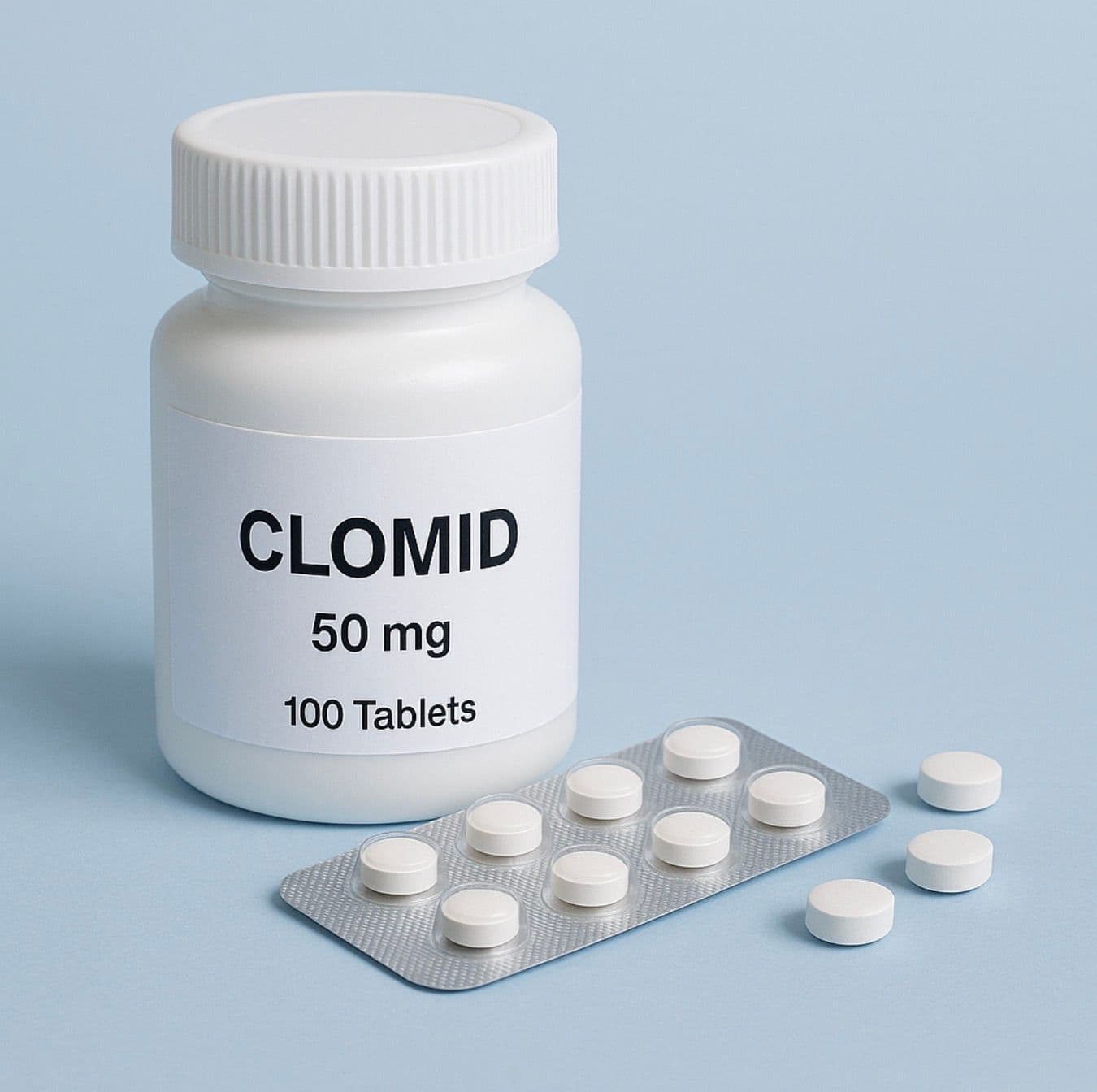
Post Cycle Therapy (PCT) is a crucial part of any testosterone-related treatment plan, especially for individuals who’ve completed a cycle of anabolic steroids or undergone testosterone replacement therapy (TRT). Testosterone replacement therapy can support patients experiencing low testosterone symptoms, but restoring natural hormone production afterward may require a different approach—this is where Clomid (Clomiphene Citrate) comes into play.
In this article, we’ll explore how Clomid is used for PCT, why it works, and who might benefit from it.
What Is Clomid?
Clomid, also known by its generic name Clomiphene Citrate, is a selective estrogen receptor modulator (SERM) most commonly prescribed to treat infertility in women. However, it also has a well-documented off-label use in men: stimulating natural testosterone production after exogenous testosterone has suppressed it.
During TRT or anabolic steroid cycles, your body’s natural testosterone production slows down or stops due to the external supply of hormones. Once the cycle ends, your body needs a push to restart natural testosterone production. That’s where Clomid can help.
How Does Clomid Work for PCT?
Clomid works by blocking estrogen receptors in the brain, specifically in the hypothalamus. This “tricks” the brain into thinking estrogen levels are lower than they actually are, which causes the hypothalamus to release more gonadotropin-releasing hormone (GnRH). In turn, this stimulates the pituitary gland to produce luteinizing hormone (LH) and follicle-stimulating hormone (FSH)—both critical for signaling the testes to produce testosterone.
In other words, Clomid helps restart the hormonal feedback loop that’s often suppressed during TRT or steroid use.
When Should You Use Clomid for PCT?
Clomid is typically introduced after completing a testosterone or steroid cycle, once the body is no longer receiving exogenous testosterone. The timing and dosage can vary based on factors like:
- The length and intensity of the cycle
- The specific compounds used
- Baseline testosterone levels
- Patient age and health status
In many PCT protocols, Clomid is used for 2–4 weeks at daily doses ranging from 25mg to 50mg, although this should always be guided by lab work and medical advice.
Benefits of Clomid for Post Cycle Therapy
- Stimulates natural testosterone production
- May help preserve fertility during or after TRT
- Non-steroidal compound, so it doesn’t suppress the HPTA like anabolic steroids
- Oral administration, making it more convenient than injectable alternatives
Side Effects and Considerations
While Clomid is generally well-tolerated, some patients may experience:
- Mood swings or irritability
- Visual disturbances (blurry vision, floaters)
- Nausea
- Headaches
- Breast tenderness
It’s also worth noting that Clomid doesn’t work for everyone, and overuse or misuse may lead to hormonal imbalances or prolonged suppression.
That’s why Clomid should only be used under medical supervision, with regular blood work to monitor your hormonal levels and adjust treatment accordingly.
Who Might Benefit from Clomid?
Clomid can be effective for:
- Men discontinuing TRT or anabolic steroids who want to restore natural testosterone production
- Men seeking to maintain fertility during TRT
- Patients with secondary hypogonadism, where the issue lies in the signaling from the brain to the testes
- Women with ovulatory dysfunction, although this use is less common in the TRT/PCT context
Final Thoughts
Clomid plays a vital role in many PCT protocols by helping the body reboot its natural testosterone production. It’s not a one-size-fits-all solution, and it’s most effective when part of a personalized treatment plan that includes lab testing and follow-up.
At AlphaMD, men and women seeking hormone optimization find science-backed, physician-led care. If you're considering TRT or looking for guidance on post-cycle recovery, a licensed provider can help you explore your options safely and effectively.
Start your personalized hormone journey today at AlphaMD.net.