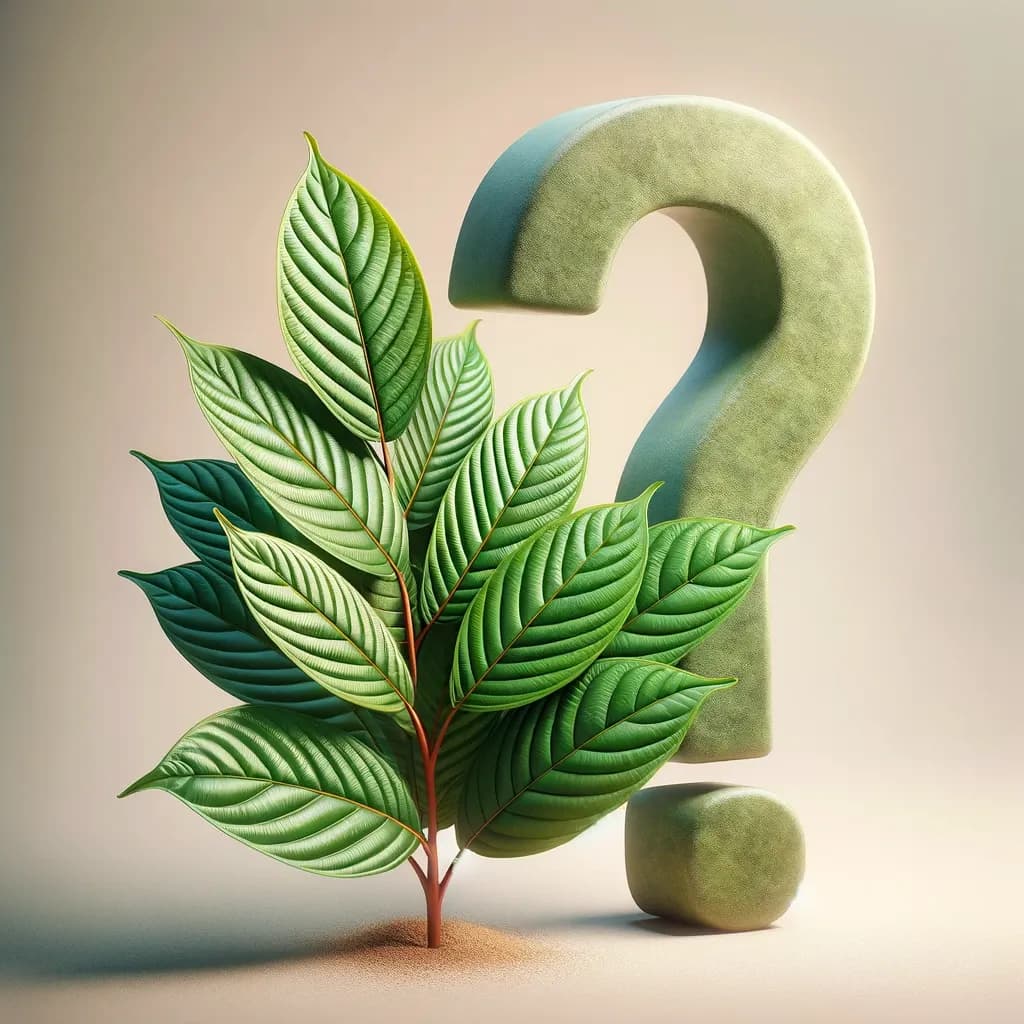
In recent years, the use of kratom, a tropical tree native to Southeast Asia, has gained attention in the Western world for its potential to alleviate pain, enhance mood, and assist in opioid withdrawal. However, as with any substance that influences the body's physiological processes, it's crucial to understand its broader implications on health, particularly concerning hormone levels. One question that arises in this context is: does kratom lower testosterone?
The Science Behind Kratom and Testosterone
Testosterone, a key hormone in both men and women, plays a vital role in various bodily functions, including muscle mass, bone density, and libido. Any alteration in its levels can significantly impact overall well-being. The relationship between kratom use and testosterone levels is complex and not fully understood, primarily due to the limited scientific research available on the subject. However, understanding the pharmacological action of kratom can provide some insights.
Kratom contains several active compounds, with mitragynine being the most prominent. These compounds interact with opioid receptors in the brain, producing stimulant effects at lower doses and opioid-like effects at higher doses. This interaction suggests a potential for influencing the body's endocrine system, which is responsible for hormone production and regulation.
Research Findings and Considerations
Some studies and anecdotal evidence suggest that chronic use of opioids can lead to lowered testosterone levels, a condition known as opioid-induced androgen deficiency (OPIAD). Given kratom's action on opioid receptors, there is a theoretical basis to hypothesize that prolonged kratom use might similarly affect testosterone levels. However, direct research linking kratom use to decreased testosterone is sparse, and more comprehensive studies are needed to draw definitive conclusions.
Addressing Testosterone Concerns
For individuals concerned about their testosterone levels, whether due to kratom use or other factors, it's important to approach the issue with informed medical advice. Symptoms of low testosterone can include fatigue, decreased libido, weight gain, and mood changes. If you're experiencing these symptoms, seeking a professional evaluation is a prudent step.
At AlphaMD, we understand the importance of hormonal balance to your overall health. AlphaMD makes it simple to access testosterone replacement therapy (TRT) on the platform, with treatment tailored by a licensed provider to the unique needs of each patient. You start with an online consultation where a provider assesses your health and medical history, then builds a personalized treatment plan designed to restore your hormonal balance and improve your quality of life.
The Bottom Line
While the question of "does kratom lower testosterone" remains under-researched, it highlights the need for a cautious approach to using substances that can potentially alter hormonal levels. For those using kratom or considering its use, staying informed and monitoring your health is key. And for anyone facing issues related to hormonal imbalance, professional medical advice and treatment options available through AlphaMD can provide the support needed to navigate these challenges effectively.
Remember, while kratom and its effects on testosterone require further study, taking charge of your hormonal health doesn't have to wait. Whether it's through lifestyle changes, medical intervention, or both, the path to better health and well-being is within reach.