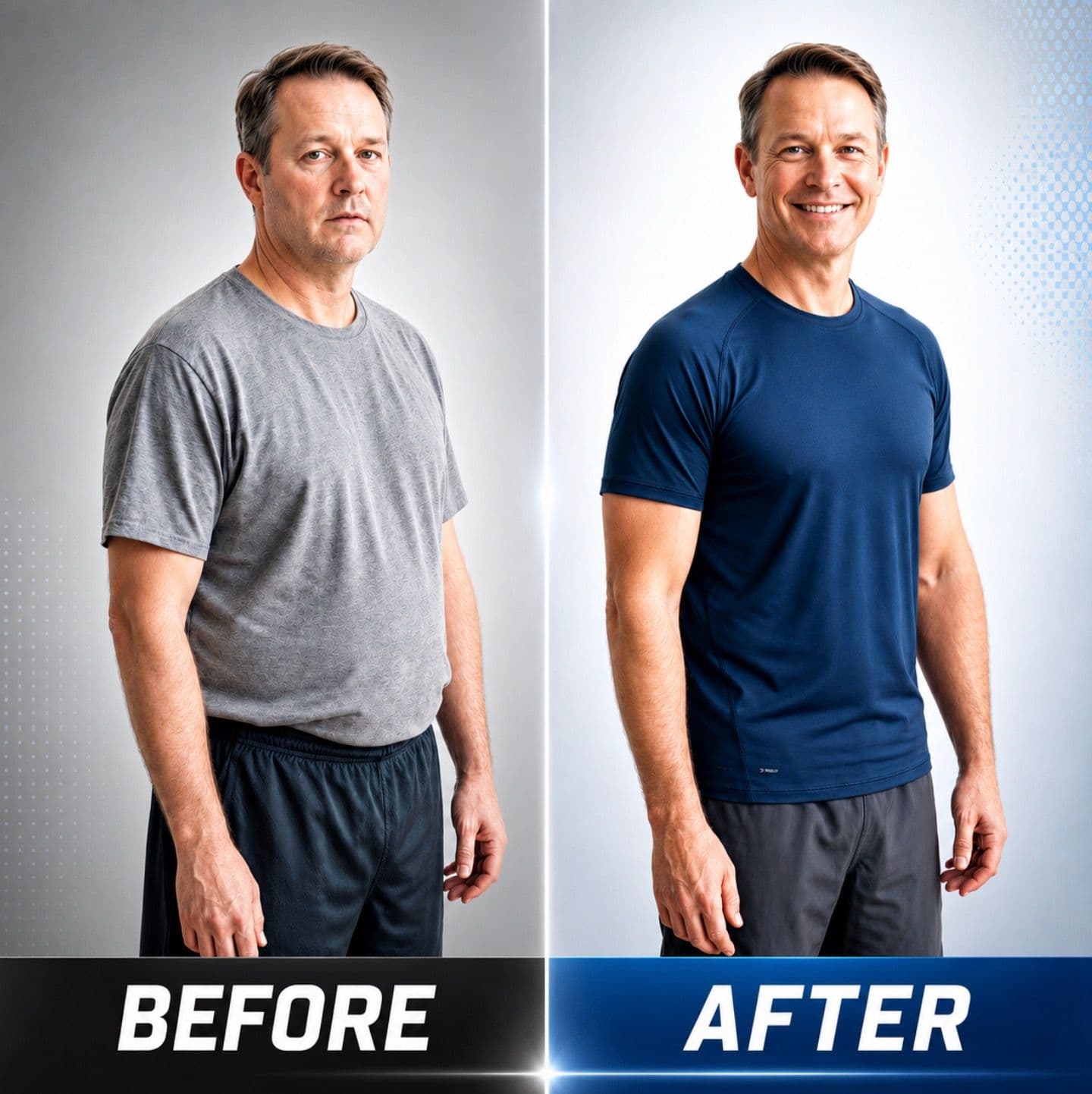
For women, the change testosterone therapy reliably brings is a modest lift in sexual desire and satisfaction, and the evidence for it comes from postmenopausal women with hypoactive sexual desire disorder (HSDD: low desire that causes distress). The 2019 Global Consensus Position Statement, endorsed by the Endocrine Society and other menopause and sexual medicine societies, calls HSDD in postmenopausal women "the only evidence-based indication" and finds insufficient data for any other symptom (Global Consensus, 2019). Knowing which changes are supported, and which are not, helps you set realistic expectations before you start.
Why women might consider testosterone
Women's testosterone levels fall with age, but the drop happens mostly in the early reproductive years, not at menopause. In a study of 1,423 women aged 18 to 75, levels "decline steeply in the early reproductive years" and natural menopause had no independent effect; women 55 and older who had both ovaries removed had lower total and free testosterone (Davison et al., 2005). After 65, levels appear to hold steady (Global Consensus, 2019).
Women who ask about testosterone often describe symptoms such as:
- Low sexual desire
- Fatigue
- Low mood
- Brain fog or trouble concentrating
- Loss of muscle or strength
- Weight gain around the middle
Only the first has trial support. The consensus panel found the link between a woman's own testosterone level and her sexual function "uncertain", and it advises that a blood testosterone level not be used to diagnose HSDD (Global Consensus, 2019). The other symptoms on the list are not indications for testosterone, so they call for a look at other causes.
Female TRT before and after: what changes to expect
Before starting testosterone
The consensus recommends a full assessment of low desire before testosterone is considered, because relationship strain, psychological distress, physical illness, and medications can all lower desire, and those factors should be found and addressed first (Global Consensus, 2019). Some points to cover with your clinician:
- Understanding the benefits and risks, and that the evidence is for postmenopausal women with HSDD
- Choosing a product and delivery method. AlphaMD offers cream, gel, and injectables.
- A baseline total testosterone level before the first dose, to rule out a level that is already high
When the consensus was published, no testosterone product made for women had approval from a national regulator. Use in women is off-label (Global Consensus, 2019). AlphaMD offers cream, gel, and injectables.
After starting testosterone: what the trials found
The trials behind these findings ran at least 12 weeks, and the consensus advises stopping treatment if there is no benefit by 6 months (Global Consensus, 2019).
1. Sexual desire and satisfaction
This is the best-supported change. In postmenopausal women with HSDD, testosterone added an average of about one satisfying sexual event per month over placebo, with gains in desire, arousal, orgasm, pleasure, and responsiveness (Global Consensus, 2019). A meta-analysis of 36 randomized trials with 8,480 women found the same pattern and preferred non-oral routes such as skin creams or patches, because oral testosterone worsened cholesterol (Islam et al., 2019). These results do not extend to premenopausal women, where data are insufficient for any recommendation.
2. Energy, mood, and mental clarity
The evidence does not support these as expected changes. The consensus found no effect on general wellbeing (Level I, Grade A), no effect on depressed mood (Level I, Grade B), and insufficient evidence for memory or thinking (Global Consensus, 2019).
3. Body composition
Trials found no effect of testosterone on body composition and recorded a small overall weight gain, though few women contributed data on these outcomes (Islam et al., 2019). For more on testosterone and weight, see whether high testosterone in women causes weight gain.
Potential side effects to consider
At doses that keep levels in the premenopausal range, the consensus (Level I, Grade A) and the meta-analysis report these effects (Global Consensus, 2019; Islam et al., 2019):
- Mild increases in acne in some women
- Mild increases in facial or body hair in some women
- No link to hair loss, clitoral enlargement, or voice change
- No serious adverse events
What is not known: the trials were too short and too small to judge long-term breast cancer risk or effects on heart attack and death, and women with a past breast cancer diagnosis were excluded (Global Consensus, 2019).
To catch side effects early, the consensus recommends a repeat testosterone level 3 to 6 weeks after starting, then a check for signs of excess androgens, with a blood level, every 6 months (Global Consensus, 2019). If you notice acne, new hair growth, or other changes, tell the clinician managing your care rather than adjusting the dose yourself. If you use a cream, where you apply testosterone cream also matters.
Is female TRT right for you?
Testosterone therapy has the strongest case if you are postmenopausal and have low desire that distresses you after other causes have been looked at. The evidence is thin if you are premenopausal or are hoping mainly for more energy, better mood, or fat loss. Women with a history of breast cancer were not studied in the trials.
AlphaMD providers can review your history and labs through AlphaMD's female TRT program.
Bottom line
In postmenopausal women with HSDD, testosterone therapy at doses that keep levels in the normal premenopausal range modestly improves sexual desire and satisfaction, with mild acne or hair growth in some women. Trials have not shown benefits for energy, mood, thinking, or body shape, and long-term safety data are limited. If nothing has improved by 6 months, the consensus advises stopping.