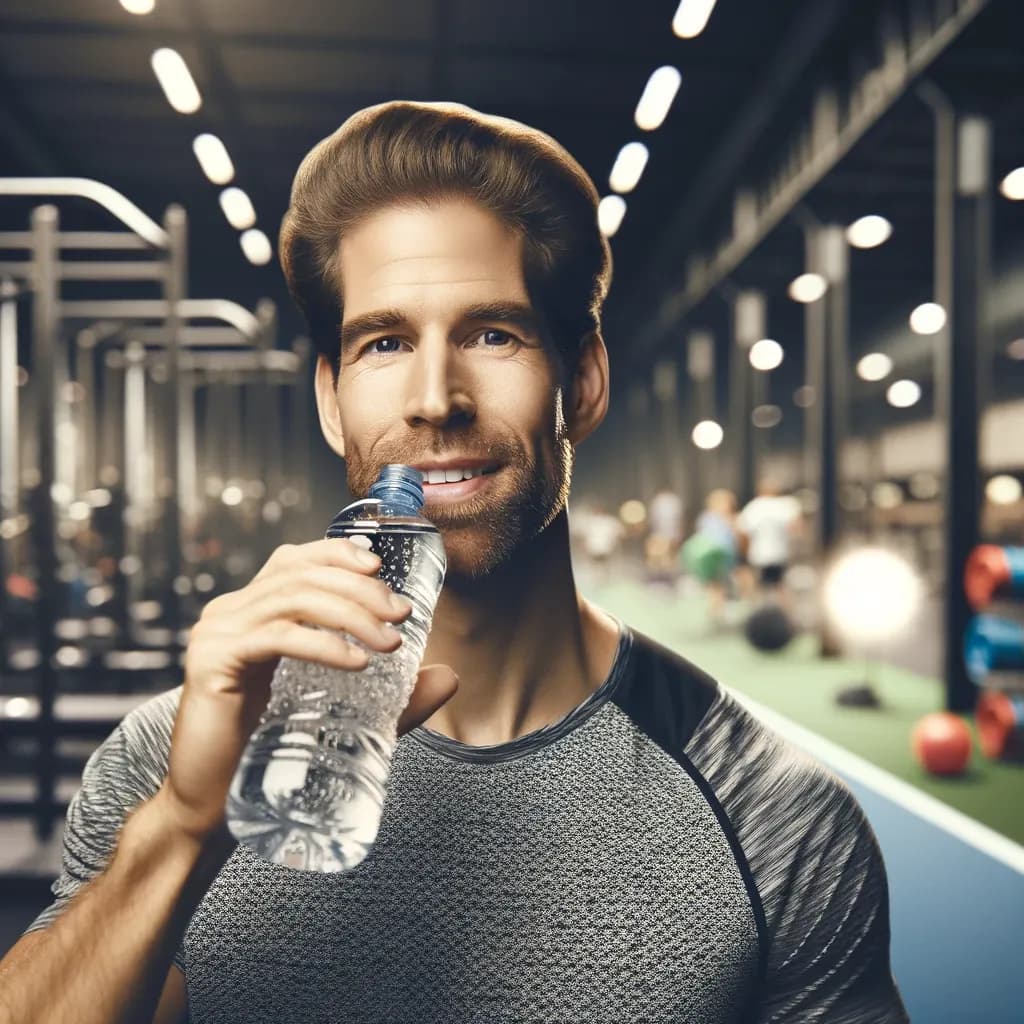
Propel Water is a reasonable drink for most people: a 20-ounce bottle has zero calories, zero sugar, and 270 mg of sodium, plus a few added vitamins (Propel label). Its downsides are two non-sugar sweeteners, sucralose and acesulfame potassium, and citric acid, which makes it acidic enough to matter for tooth enamel if you sip it all day.
What is Propel Water?
Propel is a flavored water with added electrolytes and vitamins, made by the company behind Gatorade. It is marketed as a fitness water: the maker says it has "Gatorade-level electrolytes to help replace what you lose in sweat" (Propel). It comes in a range of flavors and is often chosen as a tastier alternative to plain water.
Regular Propel is caffeine free. Propel Energy Boost is a separate product with 118 mg of caffeine per 20-ounce bottle (Propel), so check which one you're buying, especially if you're also weighing energy drinks and their effect on testosterone.
The benefits of Propel Water
Hydration and electrolytes
Propel's main selling point is fluid plus electrolytes. Electrolytes are minerals that carry an electric charge in body fluids. Sodium helps control the amount of fluid in the body and helps nerves and muscles work, and potassium helps cells, the heart, and muscles work properly (MedlinePlus). Sweating is one way you lose them.
A 20-ounce bottle has 270 mg of sodium and 70 mg of potassium (Propel label). The American College of Sports Medicine's position stand on fluid replacement says drinks with electrolytes and carbohydrates "can provide benefits over water alone under certain circumstances", and that sweat rates and sweat electrolyte content vary a lot from person to person (ACSM, 2007). Propel has electrolytes but no carbohydrate, so it covers only half of that formula. Its sodium is most relevant when you sweat heavily.
Zero calories
Because Propel is sweetened with sucralose and acesulfame potassium instead of sugar, a bottle has 0 calories and 0 g of sugar (Propel label). That makes it an option for people who are watching calories but want something flavored during workouts.
Added vitamins
A bottle contains vitamin C, vitamin E, niacin (vitamin B3), vitamin B6, and pantothenic acid (vitamin B5), ranging from 20% to 120% of the Daily Value (Propel label).
Considerations and drawbacks
Artificial sweeteners
Propel's sweeteners are sucralose and acesulfame potassium. In 2023 the World Health Organization recommended against using non-sugar sweeteners, including both of these, to control body weight or lower the risk of diseases such as diabetes (WHO, 2023). Its review found no long-term benefit for body fat and possible links between long-term use and type 2 diabetes, cardiovascular disease, and death in adults. Those links come from observational data that may be confounded, which is why the WHO graded its recommendation as conditional. The long-term effects are still unsettled, and some people prefer to avoid these sweeteners.
Not a replacement for whole foods
Propel's added vitamins don't make it a substitute for a diet built on whole foods. The label itself says it is not a significant source of dietary fiber, vitamin D, calcium, or iron (Propel label).
Dental health concerns
Citric acid is Propel's second ingredient after water (Propel label). Dental erosion happens when teeth sit in an acidic environment below pH 4.0, and low pH is the main driver of a drink's erosive potential. In a 2016 study of 379 beverages sold in the US, including flavored waters, 93% had a pH below 4.0 (Reddy et al., JADA 2016). That study didn't report Propel's own pH. Drinking acidic beverages in moderation and alternating them with plain water cuts the time your teeth spend exposed to acid.
Is Propel Water right for you?
Propel can be a useful part of your hydration plan if you're active and sweat a lot, for example during long cardio sessions while on TRT. It works best as one drink among several, alongside plain water and a balanced diet.
If the sweeteners or your teeth are a concern, alternate Propel with plain water or choose a flavored water without added sweeteners. The best hydration plan is the one that fits your activity level, diet, and preferences.
If you're on testosterone replacement therapy and train in hot weather, the TRT summer guide covers hydration in the heat.
Bottom line
Propel is a zero-calorie flavored water with some sodium and added vitamins, and for most people it is a fine choice during and after exercise. It has no carbohydrate, so it isn't a full sports drink. Its sweeteners have unsettled long-term evidence, and its citric acid can wear on enamel if you drink it constantly.