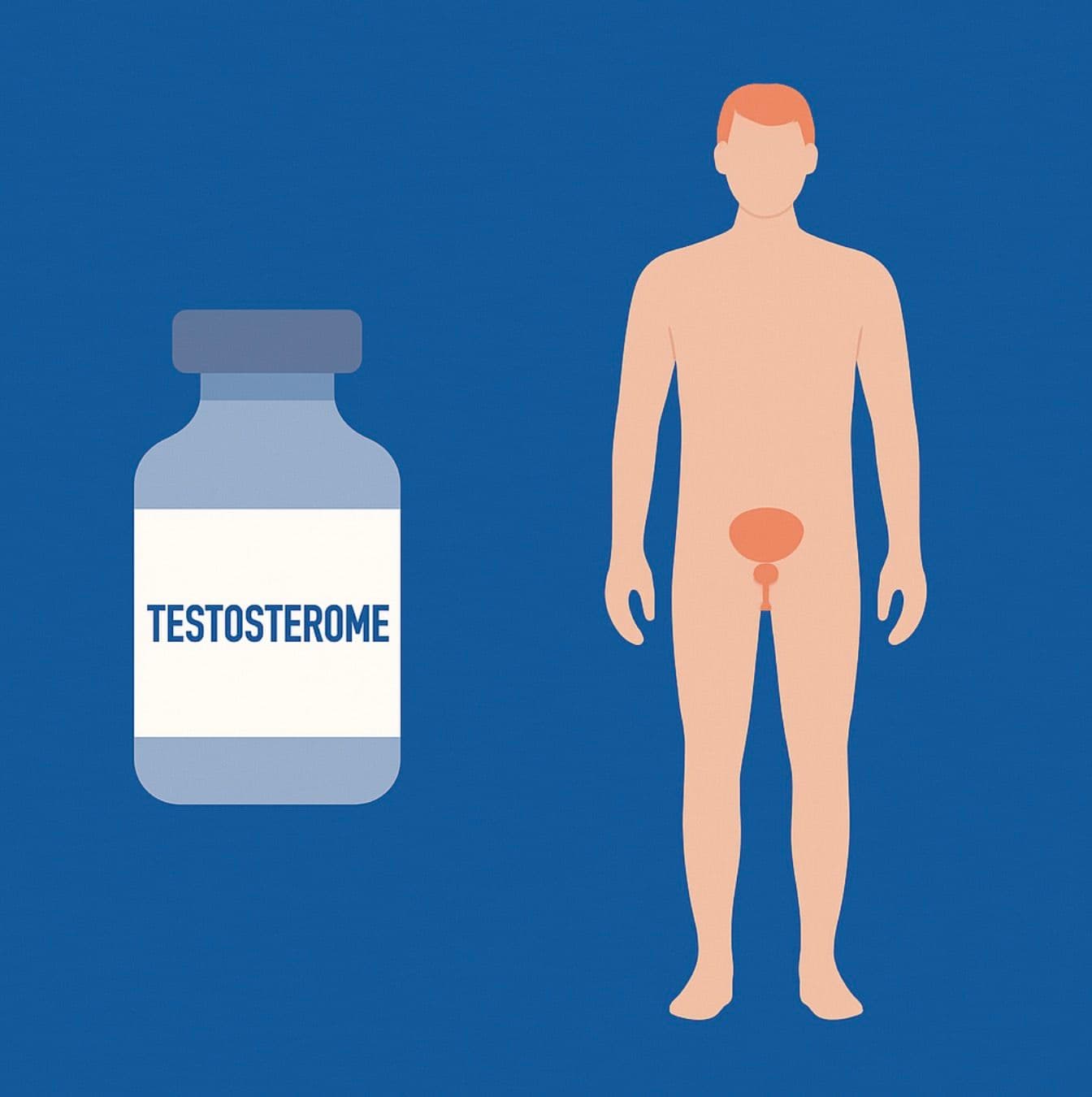
For years, a prevailing myth has suggested that testosterone replacement therapy (TRT) increases the risk of prostate cancer. However, recent comprehensive studies are challenging this belief and providing clarity for both patients and healthcare providers. In this post, we’ll dive into the findings of a new study that debunks this myth and highlights why men considering TRT should feel confident in their treatment options.
The Study: A Comprehensive Analysis
A groundbreaking study conducted by researchers at the University of Washington and the VA Puget Sound Health Care System examined the medical records of 147,593 men diagnosed with low testosterone between 2002 and 2011. The results were striking: men who underwent testosterone replacement therapy had an incidence rate of aggressive prostate cancer of 0.58 per 1,000 person-years, compared to 0.57 per 1,000 person-years in men who did not receive TRT.
This minimal difference highlights that TRT does not significantly raise the risk of aggressive prostate cancer. With such data, this study provides crucial evidence against the long-standing myth that testosterone therapy increases prostate cancer risk.
Addressing Common Misconceptions
Historical Concerns
The belief that testosterone therapy may fuel prostate cancer traces back to studies from the mid-20th century. At the time, researchers speculated that increased testosterone levels could promote the growth of existing cancer cells. However, recent research has debunked this theory, with more current studies consistently showing that TRT does not elevate the risk of prostate cancer.
Screening Bias
Some studies have suggested that men undergoing TRT may be more likely to get screened for prostate cancer, leading to early detection of potential issues. However, this should not be mistaken for evidence that TRT itself is the cause of prostate cancer. Increased screenings do not necessarily mean that testosterone therapy is to blame for higher cancer rates.
Study Limitations
While the recent study is thorough and well-executed, it’s important to note that individual health conditions vary. TRT may affect different people in different ways, and consultation with a healthcare provider is essential to determine whether it’s the right treatment for any individual.
Conclusion: The Myth Is Debunked
The myth that TRT increases the risk of prostate cancer has been effectively debunked by recent research. The evidence from the University of Washington study shows that testosterone therapy does not lead to a significant increase in the risk of aggressive prostate cancer. Men considering TRT should feel confident knowing that the treatment is safe, with the added benefit of increasing overall well-being.
As always, it's important to have an informed discussion with a healthcare provider to determine what’s best for your individual health needs. Your doctor can provide personalized guidance and ensure that you are making the best decisions for your health.
Call to Action
For more insights into men’s health and the latest research, visit AlphaMD.net. Stay informed and proactive about your health choices—because your well-being matters.